Introduction to IoT - Lecture 5: IoT Communication Models and Levels
IoT Communication Models
IoT communication models define how devices in a network exchange data. Common models include:
- Request-Response
- Publish-Subscribe
- Push-Pull
- Exclusive Pair
Request-Response Communication Model
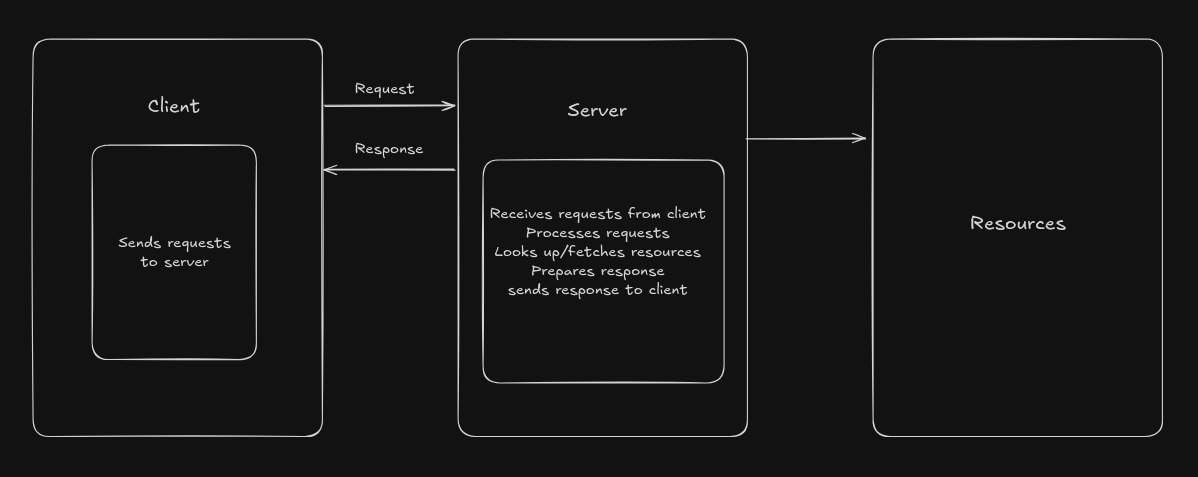
- In this model, the client sends a request to the server, and the server processes it and sends back a response.
- Common in REST APIs and web-based applications.
- Server fetches data, prepares a response, and returns it to the client.
Publish-Subscribe Communication Model
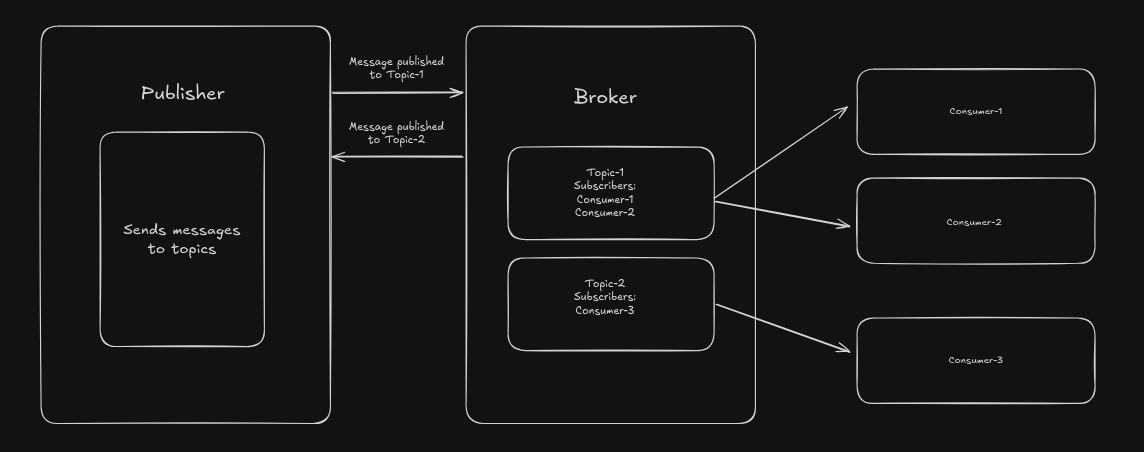
- Involves publishers, brokers, and subscribers.
- Publishers send data to topics managed by a broker.
- Subscribers subscribe to these topics and receive data when published.
- Publisher and subscriber are decoupled.
Push-Pull Communication Model
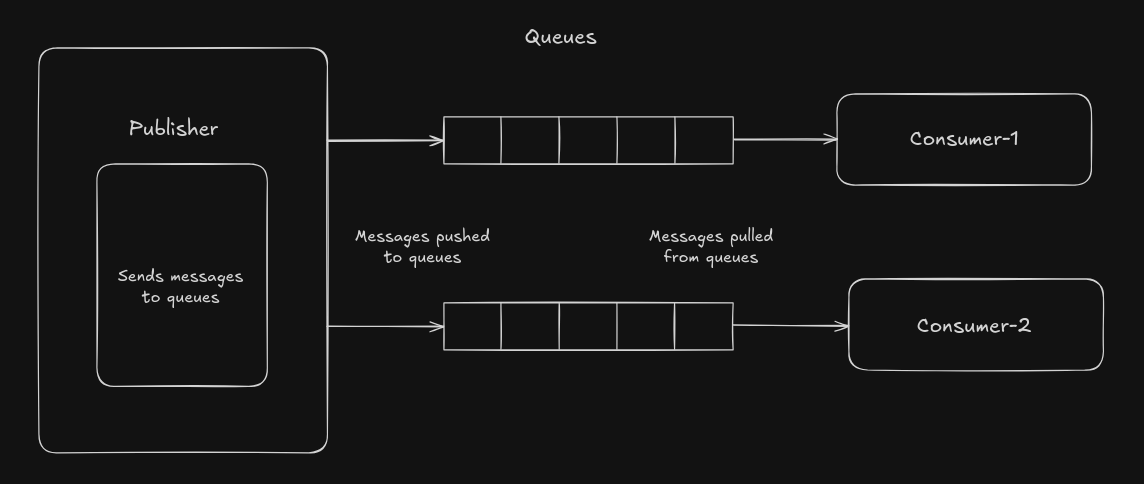
- Producers push data to queues.
- Consumers pull data from these queues.
- Producers and consumers are decoupled.
- Queues buffer messages and handle mismatched data rates.
Exclusive Pair Communication Model
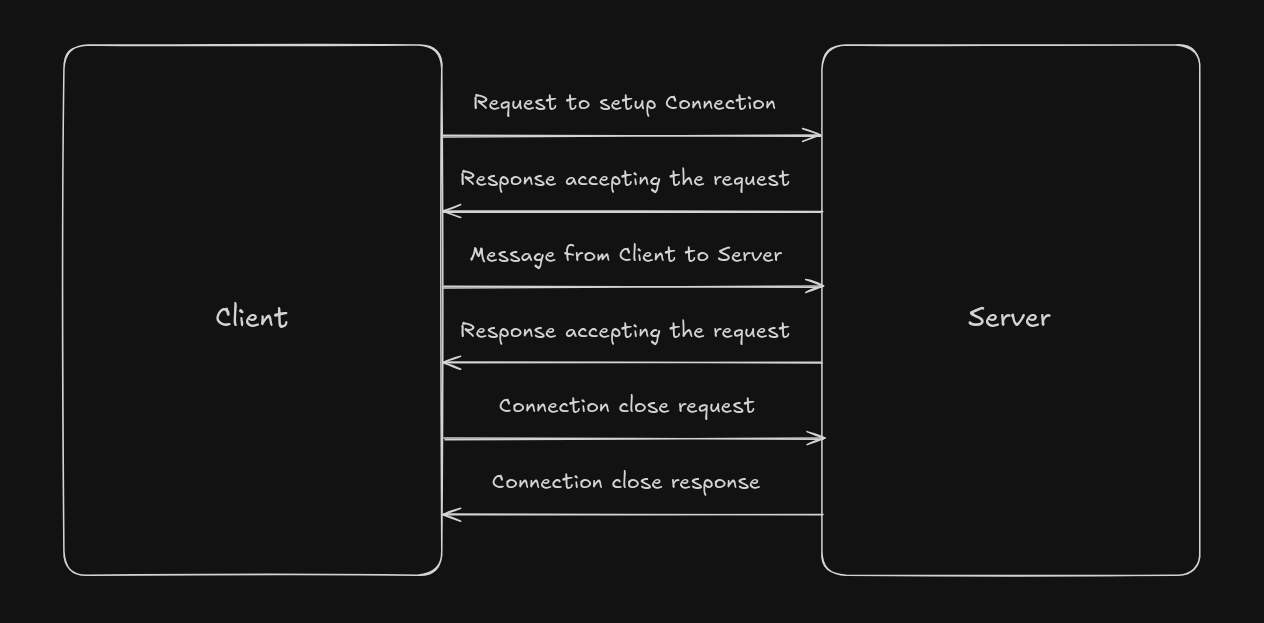
- Bidirectional, full-duplex model with a persistent connection between client and server.
- Once connected, both ends can exchange messages.
- Connection remains open until explicitly closed.
IoT Levels & Deployment Templates
IoT systems generally consist of:
- Device
- Resource
- Controller Service
- Database
- Web Service
- Analysis Component
- Application
IoT Level-1 System
- Single device/node handles sensing, storage, analysis, and application.
- Ideal for low-cost, low-complexity systems with limited data.
IoT Level-2 System
- Single device performs sensing and local analysis.
- Data is stored in the cloud, and the application is cloud-based.
- Suitable for systems with large data but non-intensive analysis.
IoT Level-3 System
- Single device with cloud-based storage, analysis, and application.
- Designed for large data and intensive computational needs.
IoT Level-4 System
- Multiple nodes perform local analysis.
- Data is sent to the cloud; observers (local/cloud) can subscribe to updates.
- Suitable for complex, multi-node systems with heavy data and analysis needs.
IoT Level-5 System
- Multiple end nodes + one coordinator node.
- End nodes sense data; coordinator aggregates and sends it to the cloud.
- Ideal for wireless sensor networks with complex analytics.
IoT Level-6 System
- Multiple independent end nodes send data directly to the cloud.
- Cloud handles storage, analytics, and visualization.
- Central controller manages node status and control commands.
Web Services
- A web service is a software interface accessible over the internet.
- Uses standard formats (like XML or JSON) to send/receive API data.
Amazon Web Services (AWS)
- A suite of cloud computing services by Amazon.
- AWS is spread across 9 global regions, each with multiple Availability Zones.
- Offers services for computing, storage, databases, networking, and more.
Amazon Web Services for IoT
AWS provides various services for implementing scalable IoT systems:
- EC2
- AutoScaling
- S3
- RDS
- DynamoDB
Amazon EC2
- Infrastructure-as-a-Service (IaaS) for scalable virtual computing.
- Allows launching virtual machines for IoT apps.
EC2 Python Example
python
# Python program for launching an EC2 instance
import boto.ec2
from time import sleep

ACCESS_KEY="<center access key>"
SECRET_KEY="<center secret key>"

REGION="us-east-1"
AMI_ID = "ami-d0f5bfb9"
EC2_KEY_HANDLE = "<enter key handle>"
INSTANCE_TYPE = "t1.micro"
SECGROUP_HANDLE = "default"

conn = boto.ec2.connect_to_region(
  REGION, aws_access_key_id=ACCESS_KEY,
  aws_secret_access_key=SECRET_KEY
)

reservation = conn.run_instances(
  image_id=AMI_ID, key_name=EC2_KEY_HANDLE,
  instance_type=INSTANCE_TYPE,
  security_groups=[SECGROUP_HANDLE, ]
)
Amazon S3
- Scalable cloud storage for raw IoT data.
- Stores sensor data, logs, multimedia, etc.
- Reliable and redundant infrastructure.
Amazon Auto Scaling
- Automatically adjusts the number of EC2 instances.
- Vertical scaling: Upgrading resources.
- Horizontal scaling: Adding more nodes.
- Useful for dynamic scaling of IoT platforms.
Amazon RDS
- Cloud-based relational database service (MySQL, Oracle, etc.).
- Provides scalable, managed SQL databases.
- Ideal for structured IoT data storage.
Amazon DynamoDB
- NoSQL, fully managed, high-performance database.
- Designed to handle massive data volume and real-time access.
- Great for unstructured IoT data.
AWS Core Services by Category
Compute
- Amazon EC2
- AWS Lambda
- Auto Scaling
- AWS Elastic Beanstalk
- Amazon ECS / ECR
- Amazon Lightsail
- AWS Batch
Networking
- Amazon VPC
- Amazon Route 53
- AWS Direct Connect
- Elastic Load Balancing
Storage
- Amazon S3
- Amazon EBS
- Amazon CloudFront
- Amazon Glacier
- Amazon EFS
- AWS Snowball
- Storage Gateway
- AWS Snowmobile
Database
- Amazon RDS
- Amazon DynamoDB
- Amazon Redshift
- AWS Database Migration Service
- Amazon ElastiCache